
Evans Primus Jr. | Waycross, GA
Evans Primus, Jr is the founder of Cultivating Lives Educational Services, Inc.
Why does wilderness matter to you?
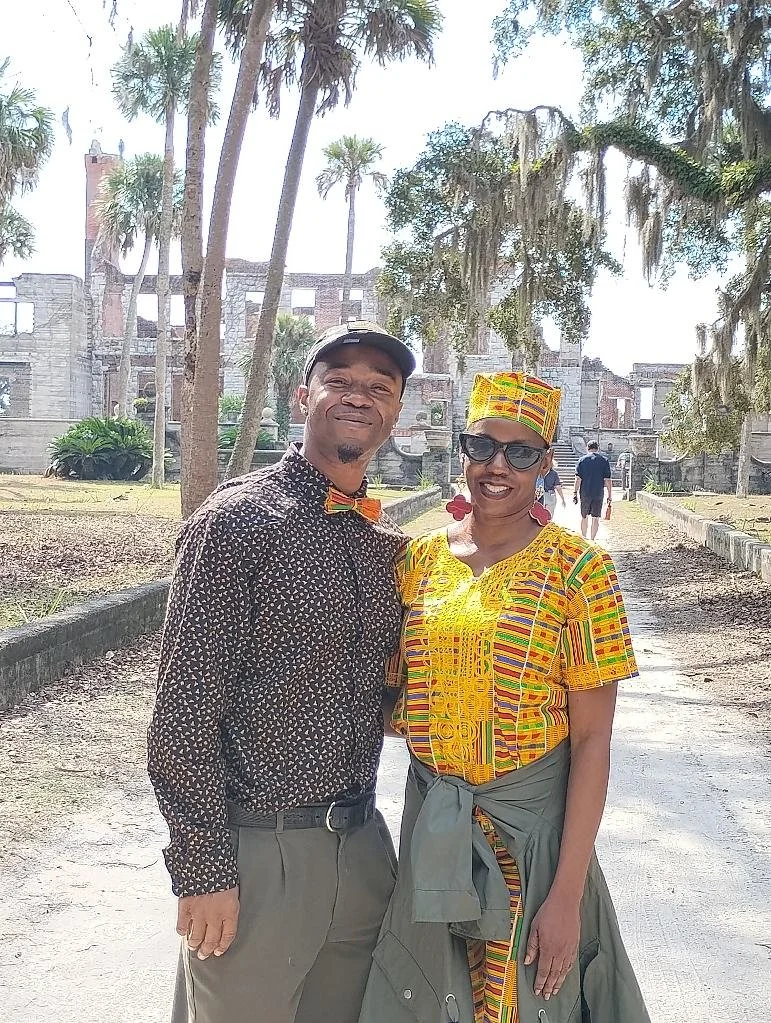
Wild places are not just empty nature to us—they are living sanctuaries of memory, ancestral footprint, and resilience. As a Gullah Geechee descendant of Cumberland Island, Georgia, wild and protected landscapes hold the sacred resting places of our ancestors, including Union Navy veteran Primus Mitchell and our family matriarchs. Designated wilderness ensures that historic African American settlement sites, ancient maritime forests, and sacred burial grounds remain protected from commercial development, industrial encroachment, and administrative erasure. For our community, preserving wild places means preserving our heritage and ensuring that future generations can touch the very ground where their ancestors built self-sufficient communities.
Why does wilderness matter to your community?
For our Gullah Geechee descendant community, wild places like the North End of Cumberland Island, Georgia, are not just empty nature—they are living sanctuaries of memory, heritage, and ancestral resilience. Protected wilderness safeguards the sacred resting places of our ancestors, including Union Navy veteran Primus Mitchell, alongside historic community footprints like the First African Baptist Church. Designated wilderness ensures that historic African American settlement sites remain protected from commercial development, industrial encroachment, and administrative erasure. Preserving wild places honors our ancestors' sacrifices and guarantees that future generations can touch the very ground where our people built self-sufficient lives.
Share a story about a special experience you have had in wilderness.
Standing on the North End of Cumberland Island at The Settlement—where our family’s history is rooted in 19th-century land patents and community preservation—is a deeply spiritual experience. Walking the historic pathways past the First African Baptist Church, surrounded by untouched coastal wilderness, reminds us that nature and human history are inextricably linked. Visiting the island to document historic cemetery grounds and meet with resource stewards reinforced our duty as living descendants: we are not just visitors on this land; we are its rightful cultural and environmental guardians.
What are your hopes for the future of wilderness?
We want decision-makers to understand that wilderness protection is a matter of historic, cultural, and environmental justice. When federal agencies protect wild lands under strong stewardship policies like NPS Director's Order 41, they are not only protecting wildlife corridors and natural ecosystems—they are safeguarding Indigenous and descendant cultural landscapes from short-sighted industrial exploitation. Protecting wild spaces honors the promises made to local communities, respects historical descendant rights, and ensures that historic sites remain wild, sacred, and accessible for generations to come.