
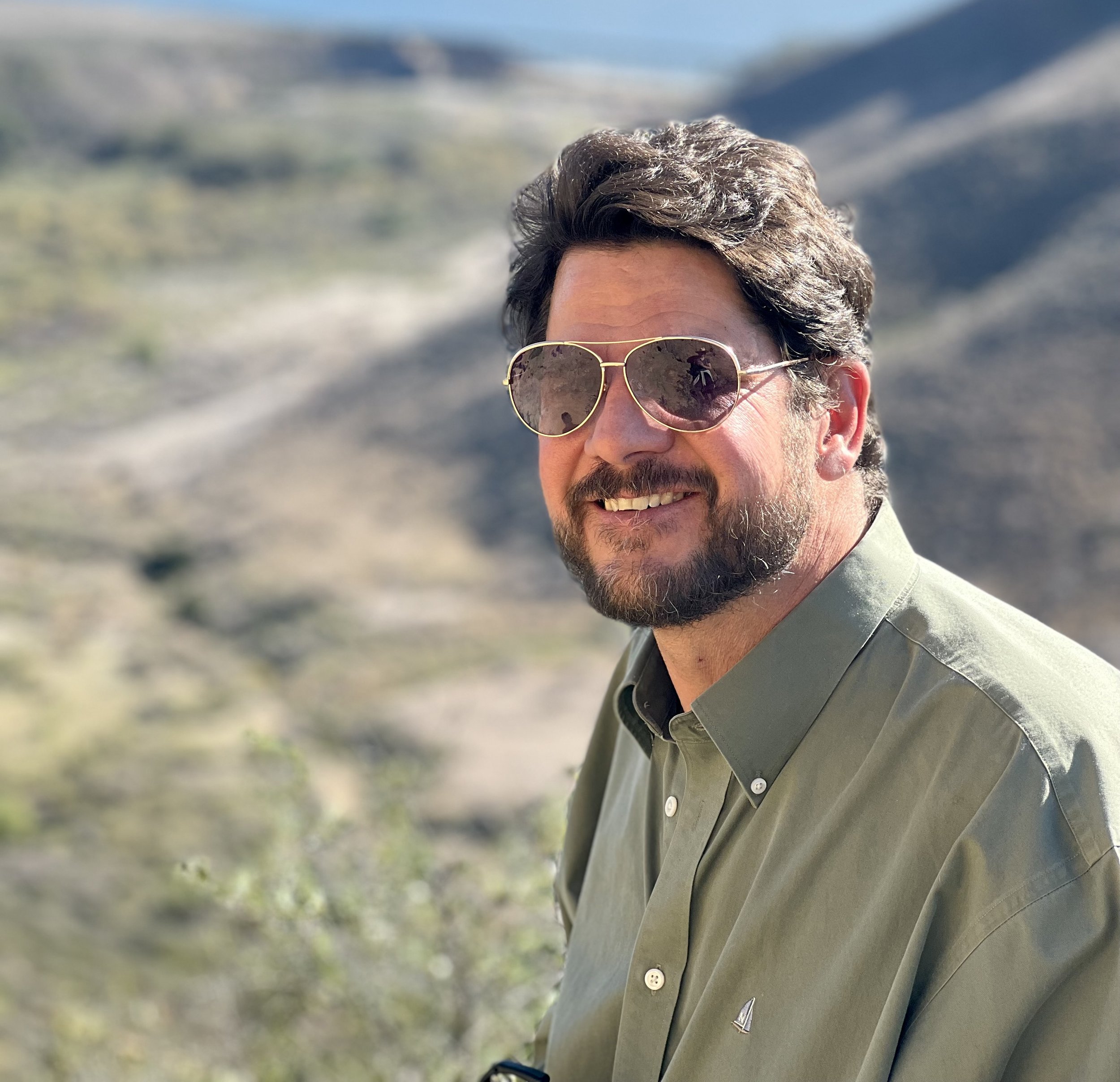
Erik Molvar is a wildlife biologist, author, and Executive Director of Western Watersheds Project.
Why does wilderness matter to you?
I have hiked and backpacked more than 10,000 miles in wild country, much of it through designated wilderness. Wilderness is special because it lends perspective -- any problems that I might have at the time shrink to insignificance as I become attuned to traveling in the wilderness, and pay attention to the things that really matter: navigating through the mountains, forests, or deserts; identifying safe places to camp, eat, and find water; and watch for wildlife that lives there, and interact safely with it. I am also an author of wilderness guidebooks, which cover dozens of congressionally-designated wilderness areas. Wilderness protections are some of the strongest protections that we can afford to the natural world. As an ecologist, I see it as critical to maintain areas that are primarily influenced by nature, not by human disturbance. With the increasing numbers of people who want to see, enjoy, and visit wilderness, we need more and bigger wilderness areas to keep up!
Why does wilderness matter to your community?
Wilderness is the wildest and most primitive landscape to which the public still has access. It gives wilderness travelers the experience of meeting nature on its own terms, and teaches humility and coexistence with the natural world. There are wilderness areas where you can travel for days without crossing a road or entering a town, and that experience of disappearing into the natural world offers an experience that can be found nowhere else.
Share a story about a special experience you have had in wilderness.
Once, while solo backpacking in Montana's Bob Marshall Wilderness, I was camped out at Dull Knife Lakes. These lakes sit in an alpine basin at the end of a long, forested trail that gets so little visitation that the trail bed was starting to grow faint and disappear. Going to sleep that night in my tent, I heard a loud snuffling, right next to my tent. I yelled, "Hey, bear!" because it's grizzly country. The snuffling continued, and the animal was not frightened off. I yelled again, and again, but the animal continued to snuffle around, loudly, right next to my tent. Then it began to rip up the sod right next to my tent. I yelled again, but it did not good. I decided that I was about to die anyway so I might as well get some sleep. So I did. When I awoke the next morning, there were mule deer hoofprints all around my tent, and a little torn-up spot where I had peed. The deer was after my salt. Having survived dozens of grizzly encounters, this was my scariest encounter.
What are your hopes for the future of wilderness and wild places?
The famous ecologist E.O. Wilson calculated that we need to reserve half of all the Earth's land area for nature, in order to maintain 85 percent of the native plants and wildlife that are alive today. We are a long way of achieving that threshold. I hope we designate enough wilderness and other truly protected and natural areas half of the United States falls within lands predominantly affected by the forces of nature.