
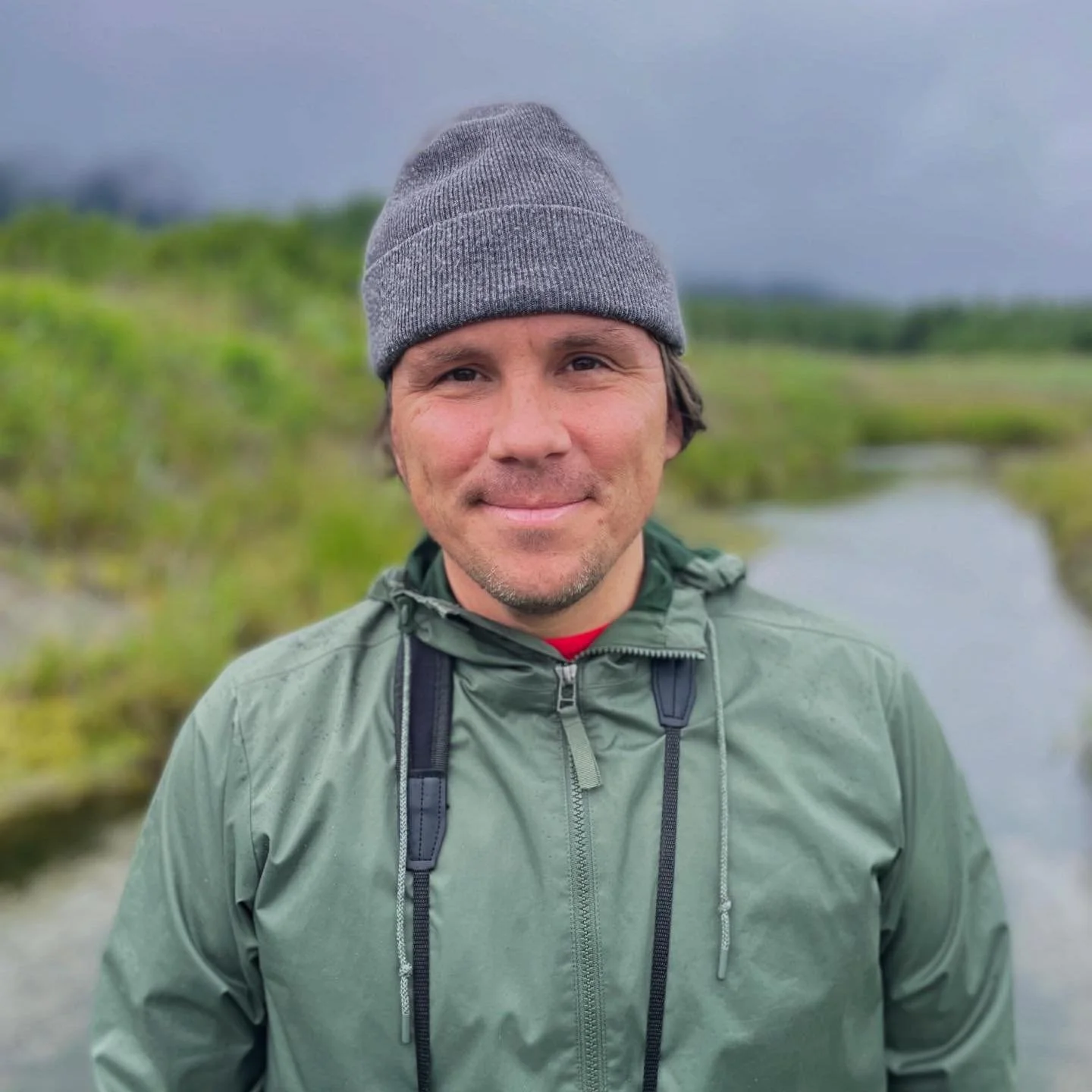
Anders Reynolds is President & CEO of The Wilderness Land Trust.
Why does wilderness matter to you?
Wilderness is still the best tool we have to effectively protect landscapes for future generations. It is the only Congressional action I can think of that is centered around the idea of humility, and while its organic act espouses many ideas that modern conservationists find troubling (including the erasure of Indigenous experience), wilderness itself is non-discriminatory and welcoming. For me, wilderness is most interesting when we wrestle with it not as an instrument for deciding outdated ideas about what landscapes are pristine or not pristine, but as the anchor to a spectrum of conservation designations without which it would be impossible to solve our nation's ecological and recreational challenges.
Share a story about a special experience you have had in wilderness.
I've spent almost two decades working with others to preserve the shared heritage of our public lands, and some of the most special experiences I've had on that journey involve meeting people where they are. In Tennessee, that meant understanding that opposition to a wilderness bill was ideological, but practical: a local forest stewardship group that was aging and worried about who would take care of trails if they couldn't use power tools dropped their opposition once a younger crew of sawyers began using traditional tools in the landscape. The local government of Emery County, Utah supported a million-acre wilderness bill after groups set aside age-old grudges to finally ask each other what their vision for protection of the San Rafael Swell was, only to find those visions were remarkably similar. The same goes for Hill advocacy. The results are so much better when we assume people have thought about how to protect their big backyard, and are only waiting to be asked.
What are your hopes for the future of wilderness?
My hope for the future of wilderness is two-fold: that its advocates are better able to improve the literacy around it (especially among decision-makers), and that they will continue to challenge ideas of what constitutes an "authentic" outdoor experience. These two hopes go hand-in-hand, because it's only by expanding the definition of the latter that we can hope to grow more resilient coalitions that can impact the former.